CONFLICT TRANSFORMATION and HARM RESPONSE

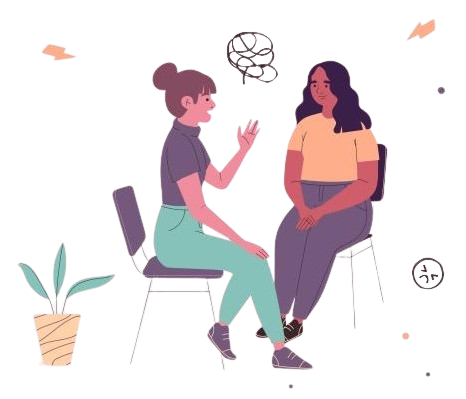
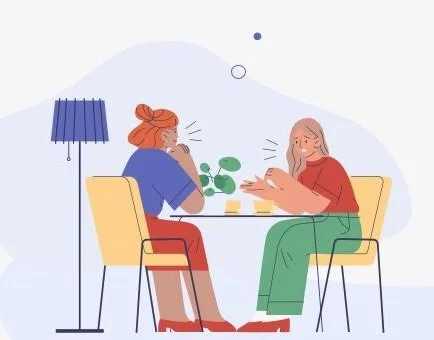
Many thanks to the artists and graphic designers at SlidesGo for the images on this page!

We are familiar with the rush of blood that accompanies conflict — the overwhelm, feeling of nausea, wanting to run away or hide from it all, the seething and breathlessness. None of this is fun! If you’re struggling with tension, breakdown in trust, toxic patterns of communication, stagnation or a related issue, you’re not alone! There are tools you can practice, frameworks you can learn, and people who can hold you through difficult conversations and processes to make it better.

Many of us have been so burnt by previous conflicts that we give up entirely. While it’s not always possible to reach closure, healing, or shared agreements, there are some things that really help. Our facilitators bring a range of personal and professional experience to the table, from within institutions (schools, prisons, government agencies), non-profit and philanthropic organizations, social movement networks, activist communities, neighborhood associations, familial and friend groups, and worker-owned cooperatives.
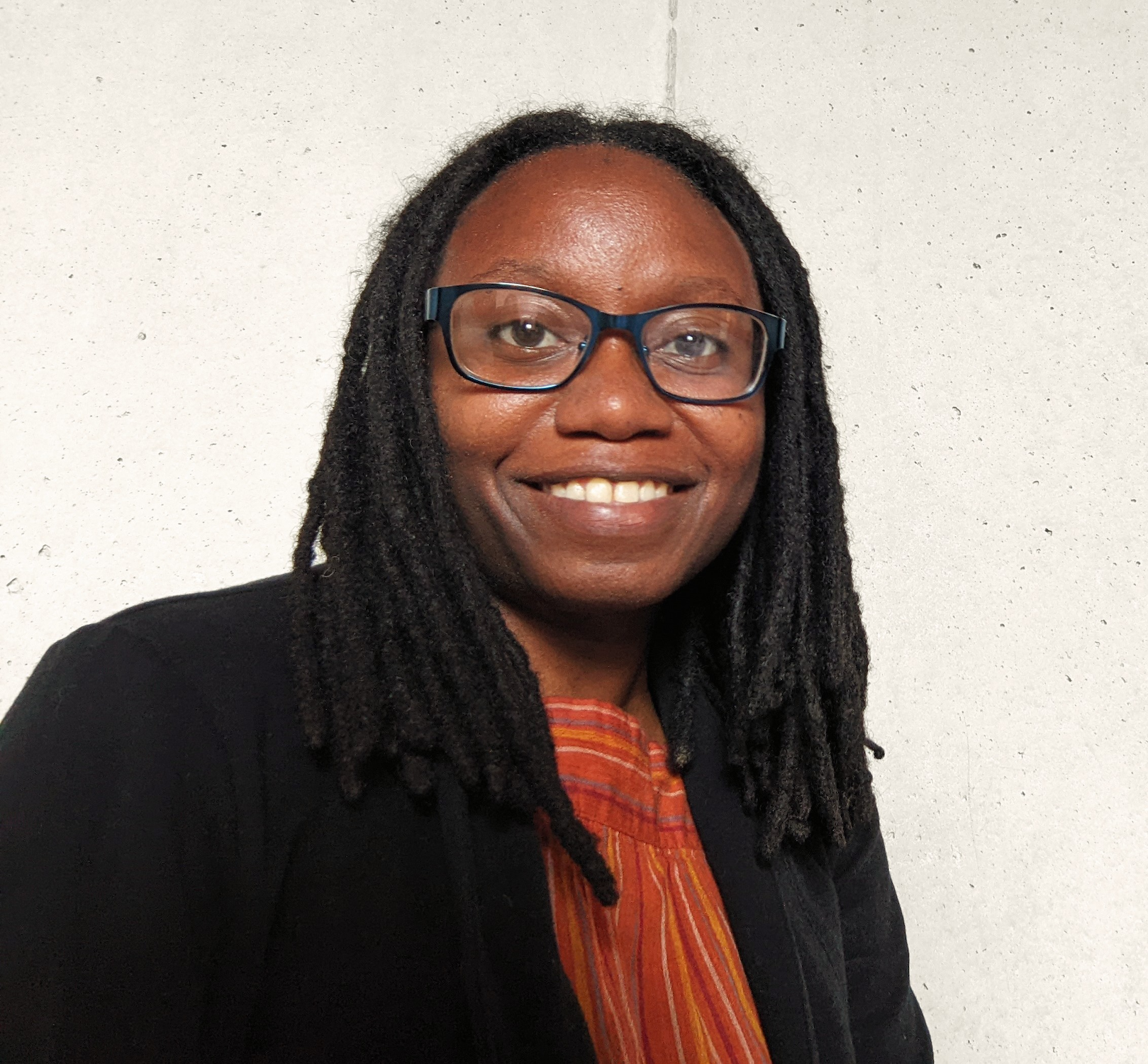
Tiffany McClain, Equity Director, Communities for a Better Environment
Testimonials & Praise
We brought PFCC in to work with our growing staff in conflict engagement. We looked at other training options, but their approach stood out because it was experiential and embodied — not just theory, but real practice.
We wanted something that would help people get out of their heads and actually try things, stretch a bit, and build comfort with discomfort. PFCC's Theater of the Oppressed–based methods made the training highly interactive and grounded in real situations, so staff could explore conflict dynamics instead of just talking about them.
Tatiana struck a great balance between giving useful frameworks and creating space to practice. Our team walked away with shared language, practical tools, and a solid foundation upon which to build a healthier work environment. People felt both supported and challenged, and they really appreciated her approachable style.
community-based non-legal conflict mediation
restorative justice harm, healing, problem-solving, & re-entry circles
somatic therapy
non-carceral, non-punitive accountability process
process-oriented psychology
embodied practices from Theatre of the Oppressed, Drama Therapy and Playback Theater
surrogate repair
conflict coaching, masculinity coaching, equity coaching
victim-offender dialogue & reconciliation
clarity of roles, transparency in decision-making & decision redress process
Spanish language facilitation: círculos, mediación, y capacitaciones en la justicia restaurativa
intergenerational partnership & youth leadership
accessible services for community members with disabilities
Tools & Traditions
We can support you with:
Immediate conflict or crisis navigation
Longer-term planning, cultural transformation and proactive skill-building for your team to (better) weather all storms
Professional development and training
Developing employee handbooks and HR policies in line with non-punitive, abolitionist, & anti-oppressive principles
Equity coaching
Evaluations & feedback
Understanding and adapting to communication styles from a multicultural or multidimensional perspective
email tatiana@collabchange.org to start a conversation
A compilation of some favorite resources . . .
For your ongoing study and exploration!
“Life Comes From It,” a seminal text in the North American Restorative Justice community by Navajo justice leader, Robert Yazzie. Gives a glimpse of the indigenous cosmology that grounds the RJ tradition and circle practice.
Creative Interventions Toolkit, the trainer’s go-to resource from her time with feminist visionary Mimi Kim and her comrades in INCITE! Women of Color Against Violence. This is a practical guide to community-based interventions in interpersonal violence, also known as community accountability or transformative justice. It is intended for anyone who cannot or is not willing to turn to the police for help.
Creative Interventions Storytelling & Organizing Project: audio clips of community- based, non-carceral responses to violence
Restorative Justice Artwork/Posters developed by Project Nia in Chicago
About Peacemaking Circles from Indigenous and First Nations leaders
Little Book of Youth Engagement in Restorative Justice: Intergenerational Partnerships for Just and Equitable Schools, offers case studies to bring political education and organizing into sync with Restorative Justice. Based in schools but applicable in community and organizational contexts.
Turning Towards Each Other: A Conflict Workbook by Jovida Ross and Weyam Ghadbian
Fumbling Toward Repair: A Workbook for Community Accountability Facilitators by Mariame Kaba and Shira Hassan
10 Tips on Receiving Critical Feedback: A Guide for Activists by Brooke Anderson
Colorizing Restorative Justice: Voicing Our Realities, edited by Edward C Valandra and Waŋbli Wapȟáha Hokšíla
Building Your Abolitionist Toolbox: Everyday Resources for a Punishment-Free World, video playlist by Project NIA
Interrupting Criminalization: political education, help desks and more to build capacity in ending criminalization, policing & punishment
Spring Up worker-cooperative of TJ and harm reduction practitioners with a treasure trove of free and low-cost webinars, worksheets, and more